Categories
Research

Understanding Addiction’s Parasitic Connections and Triggers

Addiction is a complex problem, often the result of parasitic invasion, and there are many ways to understand it. One way is to look at how certain brain toxins, like beryllium and ergot, affect a part of the brain called the addiction center. This center releases chemicals that make us feel happy, but it’s carefully controlled so we don’t feel too much pleasure at once.

When beryllium enters the body, usually by breathing it in, it can travel through the blood to the brain and settle in the addiction center. This is a problem because beryllium blocks a natural brain chemical called glutamate from activating the center. Without this activation, people can feel low, constant sadness, or depression.

How Alcohol Affects the Addiction Center

When alcohol enters the body, whether through drinking, using products like mouthwash, or even from fermentation in the intestines caused by certain yeasts (like Candida), it creates a substance called salsol. If beryllium is already clogging the addiction center, salsol reacts with it and causes a flood of “pleasure chemicals.” This release is much larger than normal and creates the alcohol “high” that many addicted people seek.

Even if someone stops drinking, the beryllium can remain in the addiction center for decades, making the addiction feel like it’s always there. This is why many people struggle with cravings even after years of sobriety.

Steps to Help Alcohol Addiction

To truly address alcohol addiction, it’s important to remove the triggers from the environment:

  1. Eliminate Beryllium Sources:
    • Check the home for items like antique lamps, hurricane lamps, or anything else that might contain beryllium.
    • Avoid using solvents, certain cleaners, and lighter fluid. Switch to butane lighters instead.
    • Seal off garages connected to the house and keep cars and lawnmowers outside.
  2. Support Brain Recovery:
    • Add glutamine to the diet. Glutamine, in doses of 3 grams per day (usually in 500 mg tablets), can help restore the addiction center’s function. It is safe to use and easy to find.
    • Use thioctic acid to help remove beryllium from the brain.
  3. Avoid Moldy Foods and Ergot Contamination:
    • Moldy grains and foods contaminated with ergot (a fungus) can worsen addiction. Stick to fresh, clean foods.
  4. Check for Parasites:
    • Parasites and parasitic worms play a role in the most troublesome addictions.

Addiction’s Parasitic Connections

Certain parasites and their metabolic byproducts can influence cravings, mood, and behavior. This can create a cycle of dependence on specific substances, such as alcohol or sugar, that the parasites thrive on.

Do Parasites Worsen Addictions?

Yes, parasites can worsen addictions by influencing brain chemistry, increasing cravings, and manipulating reward pathways. This creates a “perfect storm” where the host’s natural defenses against addiction are weakened. The chronic depletion of pleasure hormones can push individuals toward behaviors or substances that offer temporary relief, reinforcing the addictive cycle.

Parasites Associated with Addictions

  1. Candida Albicans
    • A type of yeast (fungus) that can overgrow in the body, especially in the intestines.
    • Produces acetaldehyde as a byproduct, which is a toxin that can increase cravings for alcohol and sugar.
    • Overgrowth can cause brain fog, mood swings, and fatigue, making addiction harder to control.
  2. Tapeworms
    • Tapeworms feed on nutrients from the host, often leading to cravings for high-calorie, sugary, or processed foods.
    • These cravings can make it harder to break free from unhealthy eating patterns that exacerbate addiction.
  3. Flukes (Liver and Intestinal Flukes)
    • These parasites live in the liver or intestines and release toxins that burden the detox systems of the body.
    • A sluggish liver can impair emotional regulation and lead to addictive behaviors.
  4. Toxoplasma Gondii
    • A protozoan parasite often found in undercooked meat and cat feces.
    • It can alter brain chemistry, potentially increasing impulsive behaviors and poor decision-making, which can worsen addictive tendencies.

How Parasites Work to Influence Addictions

  1. Dopamine and Serotonin Disruption
    • Dopamine is a brain chemical that provides feelings of pleasure and reward, playing a major role in addiction. Some parasites can affect dopamine pathways, indirectly depleting or overactivating dopamine levels in the brain.
    • Toxoplasma gondii, a common parasite, has been shown to alter dopamine production in host brains, increasing impulsivity and risk-taking behaviors.
    • Serotonin, which regulates mood and happiness, can also be affected by parasitic infections. When serotonin pathways are disrupted, feelings of depression and anxiety increase, which may push a person toward addictive substances or activities for temporary relief.
  2. Byproducts and Their Impact on Brain Chemistry
    • Parasites release toxins and metabolites that stress the nervous system. For example, Candida albicans produces acetaldehyde, a toxic byproduct that impairs brain function and may increase cravings for alcohol and sugar, both of which provide temporary dopamine spikes.
    • Some parasites create conditions of chronic stress or inflammation, which depletes the body’s reserves of pleasure hormones. This can create a feedback loop where the host seeks substances or behaviors to compensate for the imbalance.
  3. Manipulation of Neurotransmitters
    • Parasites and their byproducts can interfere with neurotransmitter production, such as dopamine and serotonin. These chemicals regulate mood and pleasure, which play a key role in addiction.
  4. Toxin Production
    • Many parasites release toxins that stress the liver and brain. These toxins can mimic or block natural brain chemicals, creating cravings for substances that offer temporary relief, such as alcohol or sugar.
  5. Inflammation
    • Chronic parasitic infections cause systemic inflammation, which can lead to anxiety, depression, and other emotional triggers for addiction.
  6. Nutrient Depletion
    • Parasites rob the body of essential nutrients, leading to deficiencies that may drive cravings for nutrient-poor, addictive substances.

How Parasites Influence Host Behavior

  1. Manipulating Cravings
    • Parasites thrive on specific nutrients or substances that come from the host’s diet or environment. For instance, sugar-loving parasites may increase cravings for sugary foods, leading to overconsumption that fuels both the parasites and addictive behaviors.
  2. Creating Dependency
    • By disrupting brain chemistry and energy levels, parasites can create a scenario where the host becomes dependent on addictive substances for momentary boosts in mood or energy. This can lead to a cycle where the host seeks out these substances to alleviate the symptoms caused by the parasites themselves.
  3. Hijacking Reward Pathways
    • Parasites can amplify the effects of addictive substances by manipulating the brain’s reward pathways. For example, if parasites deplete baseline dopamine levels, the host may experience an exaggerated “high” when using substances like alcohol or drugs. This makes the addiction harder to break.
  4. Triggering Stress Responses
    • Chronic infections lead to elevated cortisol levels (stress hormone), which can lower resistance to addiction. Stress often drives people toward substances or behaviors that temporarily relieve the discomfort, further feeding the addiction cycle.
How Do You Get Parasites?

  1. Contaminated Food or Water
    • Undercooked meat (especially pork and fish) and unwashed produce can harbor parasites.
    • Drinking contaminated water can also introduce parasites.
  2. Contact with Animals
    • Pets, especially those that are not dewormed, can transmit parasites through their fur or feces.
  3. Poor Hygiene Practices
    • Not washing hands after using the bathroom, handling animals, or preparing food increases the risk.
  4. Environmental Exposure
    • Walking barefoot or swimming in contaminated water can allow parasites to penetrate the skin.
  5. Travel
    • Visiting areas with poor sanitation increases exposure to contaminated water, food, or soil.

How to Get Rid of Parasites

  1. Parasite Cleanse and Deworming
    • Comprehensive Parasite Cleanse and Deworming: Such as those created by Wayne Rowland, which includes a concurrent gut biome building that can be compromised by focused deworming.
    • Eliminate Parasites, Parasitic Worms, Their Waste, and Toxins: The results that can be expected by a comprehensive cleanse and deworming. It may include colloidal Silver Water.
    • Dewormers: These are easily available over the counter in other countries but are restricted in the USA, though they can be obtained via veterinary suppliers or farm stores.
  2. Dietary Changes
    • Eliminate Sugar and Processed Foods: Parasites thrive on sugar and refined carbohydrates. Removing these from the diet can starve them.
    • Include Anti-Parasitic Foods: Garlic, cloves, ginger, black walnut, papaya seeds, and pumpkin seeds have natural anti-parasitic properties.
    • Nutritional Support: Consume foods rich in amino acids, like tryptophan and tyrosine, to replenish serotonin and dopamine precursors.
    • Probiotics: Support gut health by consuming foods like yogurt, kefir, or taking a quality probiotic supplement.
  3. Herbal Remedies
    • Wormwood: Effective against intestinal worms and some flukes.
    • Black Walnut Hull: Often used to expel worms and other parasites.
    • Clove Oil or Capsules: Kills parasite eggs, preventing reinfestation.
  4. Supplements
    • Diatomaceous Earth (Food Grade): Helps remove parasites by physically cutting through their protective coatings.
    • Oregano Oil: Potent antimicrobial that can help kill parasites.
    • Glutamine: Helps heal the gut lining, making it less hospitable for parasites.
  5. Medications
    • Over-the-counter or prescription medications like albendazole or praziquantel may be necessary for severe infestations. Always consult a doctor for proper diagnosis and treatment.
  6. Detox Support
    • Support liver detox with supplements like milk thistle or NAC (N-Acetyl Cysteine).
    • Drink plenty of water to flush out toxins.
  7. Hygiene and Prevention
    • Wash hands frequently, especially before eating.
    • Deworm pets regularly and yourself once a year, especially if you have pets.
    • Avoid undercooked meat and unfiltered water.
  8. Address Emotional Healing
    • Engage in mindfulness or therapy to rebuild emotional resilience and break free from addictive cycles.

Long-Term Management

Once parasites are eliminated, it’s important to maintain a healthy gut and detox regularly to prevent reinfection. A strong immune system, good hygiene, and an anti-inflammatory diet can keep parasites at bay and reduce the risk of addiction-related cravings returning.

Why These Steps Matter

Parasites are more than physical invaders—they can profoundly affect mental health and behavior. By hijacking brain chemistry, increasing cravings, and manipulating reward systems, they can exacerbate addiction and make recovery more challenging. Recognizing and addressing parasitic infections as part of addiction treatment could lead to more holistic and lasting healing.

By removing parasites and supporting brain recovery, individuals can regain control over their cravings, break free from the cycle of addiction, and experience a healthier, more balanced life.

This approach is about more than just stopping alcohol use—it’s about effectively managing parasitic populations, giving the brain a chance to recover, and helping the whole family find peace and happiness again.

Categories
Articles Research

How Your Pet Spreads Parasites and Parasitic Worms to Family

Household pets bring joy and companionship to many, but they can also be sources of parasitic infections that affect human health. Parasites and parasitic worms are common in various pets and can be transmitted to humans through different pathways. Understanding these risks and taking preventative measures can help maintain pet and human health.

Common Parasites in Household Pets

Cats

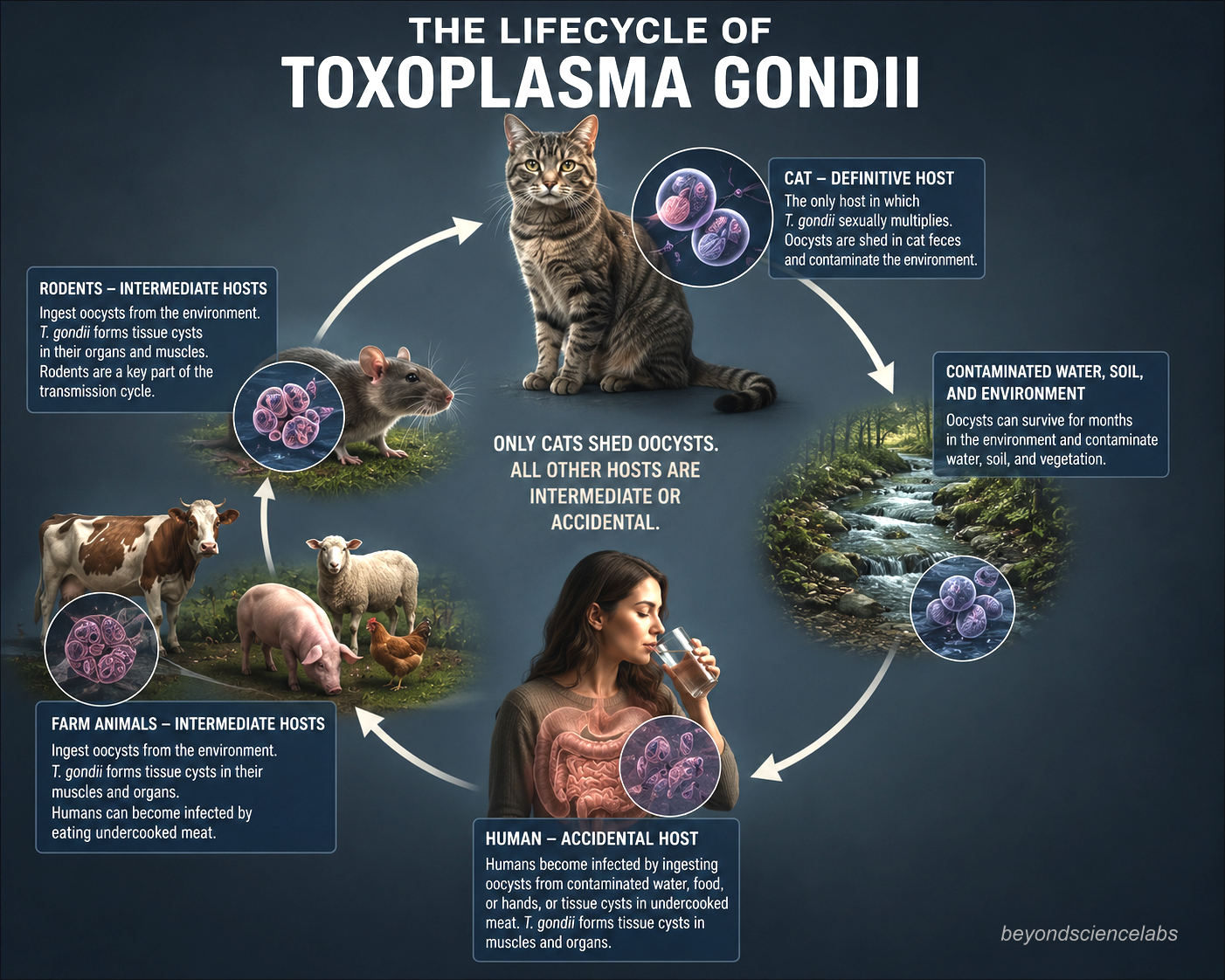
Toxoplasma gondii: This parasite causes toxoplasmosis, a disease that can have profound implications for pregnant women and individuals with weakened immune systems. Cats can become infected by eating contaminated prey or undercooked meat and shed the parasite’s eggs in their feces. Humans can contract the parasite by handling cat litter or soil contaminated with cat feces.

Fleas

Fleas can carry tapeworms, specifically Dipylidium caninum, which can infect humans, especially children, if accidentally ingested.

Dogs

Roundworms (Toxocara canis): Dogs can shed roundworm eggs in their feces, and humans, especially children, can become infected by ingesting soil contaminated with these eggs. This can lead to toxocariasis, which can cause eye and organ damage.

Hookworms (Ancylostoma caninum): These parasites can penetrate human skin, usually through bare feet, leading to a condition known as cutaneous larva migrans, which causes itchy skin rashes.

Ticks: Dogs can carry ticks that harbor various diseases, including Lyme disease, which can be transmitted to humans through tick bites.

Birds

Histoplasma capsulatum: This fungus, found in bird droppings, can cause histoplasmosis in humans. The infection occurs when spores from contaminated soil or droppings are inhaled.

Cryptococcus neoformans: Another fungus found in bird droppings, especially from pigeons, can cause cryptococcosis, a severe infection affecting the lungs and nervous system in immunocompromised individuals.

Rodents (Hamsters, Guinea Pigs, Mice)

Hantavirus: Rodents can carry hantavirus, which can be transmitted to humans through contact with rodent urine, droppings, or saliva. The virus can cause severe respiratory disease.

Lymphocytic choriomeningitis virus (LCMV): This virus can be transmitted from rodents to humans through exposure to their urine or droppings, leading to flu-like symptoms and neurological issues.

Reptiles (Snakes, Turtles, Lizards)

Salmonella: Reptiles are common carriers of Salmonella bacteria, which can be transmitted to humans through direct contact with the animal or their environment. Salmonella infection can lead to severe gastrointestinal illness.

Transmission Pathways

Direct Contact: Handling infected animals or their waste can lead to parasite transmission. For example, cleaning a cat’s litter box or picking up dog feces without proper hygiene can expose humans to parasites.

Ingestion: Parasite eggs or larvae can be accidentally ingested through contaminated food, water, or hands. Children are particularly at risk due to their tendency to play in dirt or put objects in their mouths.

Skin Penetration: Some parasites, such as hookworms, can penetrate human skin directly, especially when walking barefoot in contaminated areas.

Vector-Borne Transmission: Pets can carry vectors like fleas and ticks, which can bite humans and transmit parasites or other pathogens.

Preventative Measures

To minimize the risk of parasite transmission from pets to humans, consider the following precautions:

Regular Veterinary Check-Ups: Ensure pets receive routine veterinary care, including vaccinations, deworming, and flea and tick prevention.

Good Hygiene Practices: Wash hands thoroughly after handling pets, cleaning litter boxes, or picking up pet waste. Use gloves when gardening or working in soil that might be contaminated with pet feces.

Proper Food Handling: Avoid feeding pets raw or undercooked meat, and ensure their food is stored and handled safely.

Environmental Control: Keep living areas clean and free from pet waste. Regularly clean and disinfect pet cages, tanks, and bedding.

Educate Children: Teach children about the importance of washing hands after playing with pets and avoiding contact with animal waste.

While pets can pose a risk of transmitting parasites to humans, understanding these risks and taking appropriate preventative measures can help maintain a healthy environment for both pets and humans. By being proactive in pet care and hygiene, pet owners can enjoy the companionship of their animals while minimizing the risk of parasitic infections.


Categories
Research

T. gondii Cat Worms in the Human Brain and Cat Lady Syndrome

For centuries, cats have held a mystifying place in human culture—worshipped in ancient temples, adored in homes, and idolized on the internet. But what if this love affair isn’t as innocent as it seems? Behind the purring, the kneading, and the hypnotic gaze of our feline friends may lurk a parasite with the power to control minds: Toxoplasma gondii.

The Hidden Puppet Master: What Is Toxoplasma gondii?

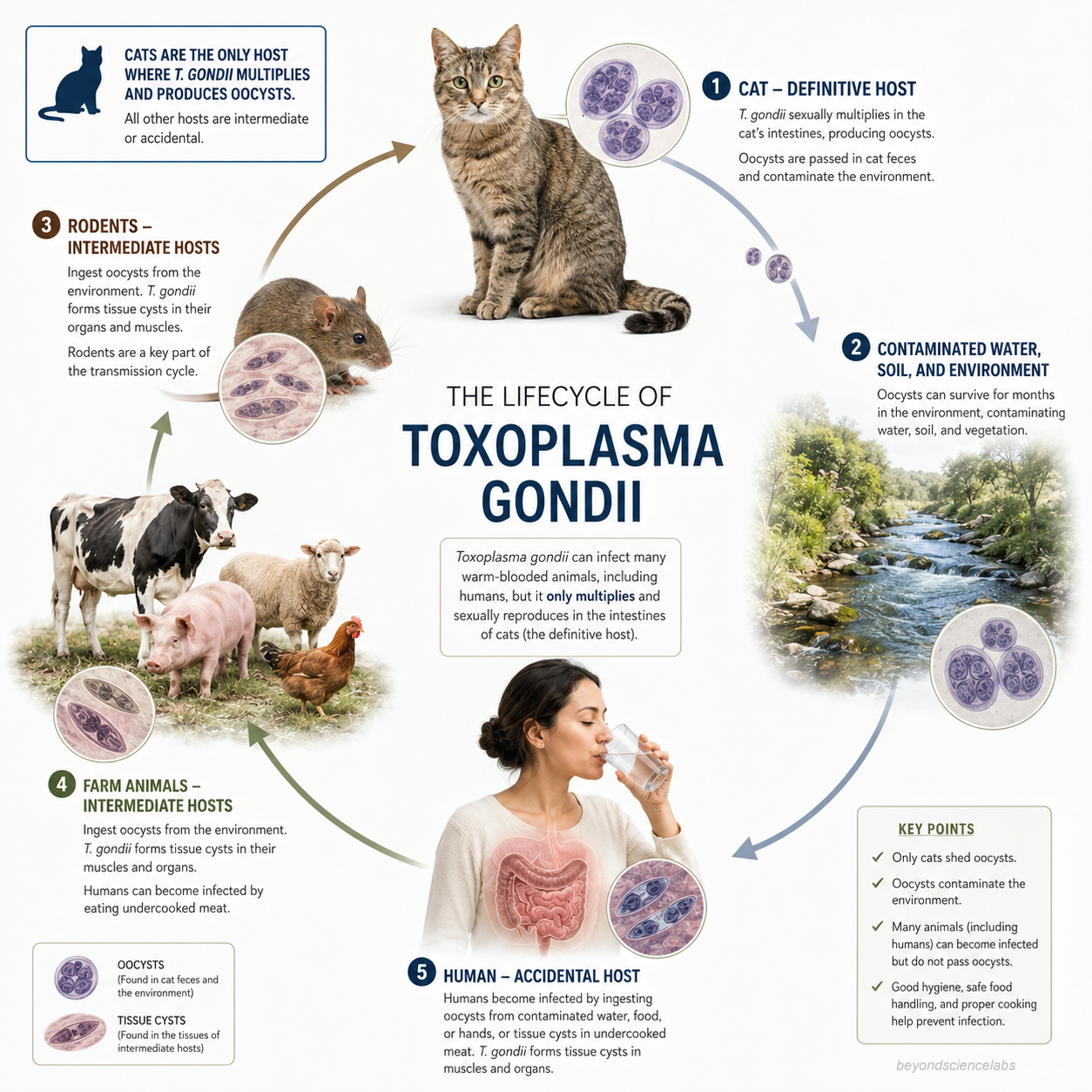
Toxoplasma gondii is a protozoan parasite that completes its reproductive life cycle inside the intestines of felines. Cats shed infectious oocysts in their feces, which contaminates soil, food, or water sources—and be inadvertently ingested by humans. Once inside a human host, the parasite can form cysts in muscles, eyes, and most notably, the brain.

T. gondii multiply in cars only, but once they take up residence in a host, even thought they do not reproduce, they outlive the host. They do not die unless they are killed, so their numbers compound with each consecutive exposure.

It’s estimated that 30–50% of the global population carries latent T. gondii infections, often without symptoms (CDC, 2022). But mounting evidence suggests that these brain-residing parasites may not be passive guests.

Mind Control and Motor Skills: How Cat Worms May Influence Human Behavior

Scientific studies have shown that T. gondii is capable of altering behavior in hosts. Rodents infected with the parasite lose their innate fear of cat urine—essentially turning themselves into easy prey so the parasite can return to the feline gut and complete its life cycle (Berdoy et al., 2000).

In humans, the story gets even more complex. A 2007 study in Schizophrenia Bulletin found a strong correlation between T. gondii antibodies and increased risk of schizophrenia (Torrey et al., 2007). Other findings include:

  • Slower reaction times in infected individuals (Flegr et al., 2002)
  • Increased risk of traffic accidents among infected drivers (Flegr et al., 2002)
  • Elevated anxiety and depression scores in infected individuals (Flegr, 2007)

The Rise of the Cat Lady Syndrome

In recent years, a growing body of research has examined the link between T. gondii and what’s sometimes called “Cat Lady Syndrome”—a behavioral profile of individuals, often women, who hoard multiple cats, isolate themselves from society, and live to serve their feline companions.

This may be more than a lifestyle choice—it may be the result of parasitic manipulation.

The More Cats, the More Worms

Owning multiple cats increases the likelihood of exposure to T. gondii oocysts, especially if the cats are outdoor animals or share litter boxes. A higher parasite load increases the risk of neurological effects.

A Czech study found that individuals infected with T. gondii had higher rates of introversion and reduced sociability (Flegr et al., 1996). Combined with subtle cognitive changes, these effects may drive people toward more reclusive behavior, hyper-fixation on their pets, and eventual social withdrawal.

“It’s not just about loving cats,” said Dr. Jaroslav Flegr, one of the leading researchers on the behavioral effects of T. gondii. “The parasite may subtly steer human behavior—drawing them into a kind of psychic servitude” (Flegr, 2013).

Neurological Disorders and T. gondii

Recent meta-analyses have shown a concerning link between T. gondii infection and neurodegenerative disorders. Chronic infection has been associated with:

  • Alzheimer’s disease (Mahami-Oskouei et al., 2016)
  • Parkinson’s disease (Miman et al., 2010)
  • Multiple sclerosis (Nissapatorn et al., 2017)
  • Epilepsy (Ngoungou et al., 2015)

The mechanism? Chronic T. gondii infections are believed to promote neuroinflammation, altering neural circuits and contributing to neurodegeneration.

Who’s Really in Control?

What makes T. gondii so unnerving is the idea that it may exploit our emotions and habits to ensure its survival. A single infected cat can shed millions of oocysts, which can survive for over a year in soil or litter. Meanwhile, the human host’s behavior may gradually shift—favoring the parasite’s reproductive cycle, often without any awareness.

From the outside, it looks like a harmless lifestyle: a woman with several cats, living alone, talking more to her pets than to people. But under the microscope, there may be a different picture—one of a brain slowly colonized by a parasitic organism, steering behavior for its own gain.

How to Reduce Your Risk

Not all cat lovers are infected, and not all infected individuals suffer symptoms. However, awareness is key. Prevention steps include:

  • Clean litter boxes daily, and avoid letting pregnant or immunocompromised people handle cat feces
  • Wash hands thoroughly after gardening or handling raw meat
  • Cook meat well, especially pork and lamb, which can also transmit T. gondii
  • Keep cats indoors, reducing their exposure to infected prey
  • Avoid adopting stray cats, particularly if they’ve been outdoor hunters

Note: Silver Water and chlorine dioxide (separately) are well-known cat worm (T. gondii) eliminators.

Conclusion: A Parasite’s Quiet Revolution

The idea of “cat worms” controlling human minds sounds like a horror novel—but the science behind Toxoplasma gondii is disturbingly real. While we shouldn’t panic or purge our homes of cats, we should stay informed and vigilant.

Whether you believe in the subtle psychic control of parasites or not, one thing is certain: the bond between humans and cats may be more than emotional. It may also be biological—driven in part by invisible organisms with a surprisingly sinister agenda.

References

  1. Berdoy, M., Webster, J. P., & Macdonald, D. W. (2000). Fatal attraction in rats infected with Toxoplasma gondii. Proceedings of the Royal Society B: Biological Sciences, 267(1452), 1591–1594.
  2. Flegr, J., Havlíček, J., Kodym, P., Malý, M., & Šmahel, Z. (2002). Increased risk of traffic accidents in subjects with latent toxoplasmosis: a retrospective case-control study. BMC Infectious Diseases, 2(1), 11.
  3. Torrey, E. F., Bartko, J. J., Yolken, R. H. (2007). Toxoplasma gondii and other risk factors for schizophrenia: an update. Schizophrenia Bulletin, 33(3), 642–648.
  4. Flegr, J. (2007). Effects of Toxoplasma on human behavior. Schizophrenia Bulletin, 33(3), 757–760.
  5. Flegr, J. (2013). Influence of latent Toxoplasma infection on human personality, physiology and morphology: pros and cons of the Toxoplasma-human model in studying the manipulation hypothesis. FEMS Microbiology Reviews, 37(4), 491–516.
  6. Mahami-Oskouei, M., Hamidi, F., Dalir, G., et al. (2016). Toxoplasmosis and Alzheimer’s disease: a possible link. BMC Research Notes, 9(1), 545.
  7. Miman, O., Mutlu, M. N., Ozcan, O., Atambay, M., Unal, S. (2010). Is there a link between Toxoplasma gondii infection and Parkinson’s disease? Journal of the Neurological Sciences, 297(1-2), 85–88.
  8. CDC (2022). Toxoplasmosis. Centers for Disease Control and Prevention. https://www.cdc.gov/parasites/toxoplasmosis/index.html
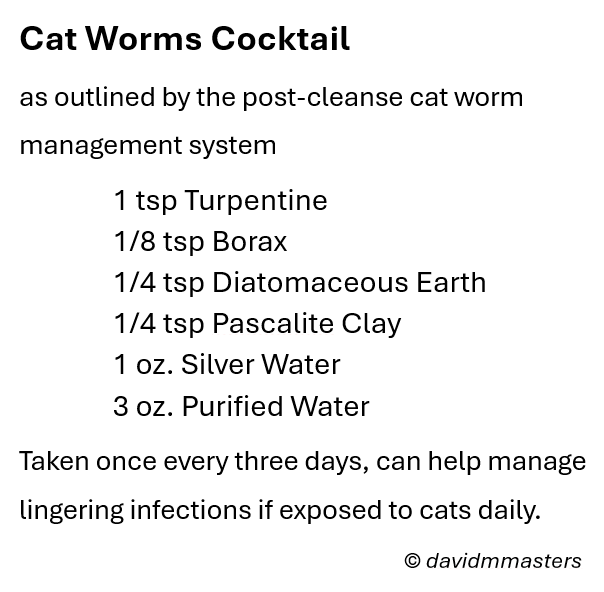
  9. Cat Worms Cocktail compliments davidmmasters 


Categories
Research

How to Help Victims of Cat Worm Infestations: T. Gondii Cyst

If someone you care about seems to be withdrawing from society, obsessed with their cats, experiencing memory issues, mood changes, or slowed motor skills, it’s possible that something more than personality or circumstance is at play. A silent parasite—Toxoplasma gondii, commonly associated with cats—might be influencing their behavior and brain health.

This follow-up article explores how to assist someone who may be suffering from the cognitive and emotional effects of T. gondii infection, using both conventional medical insights and supportive holistic approaches.

Understanding the Nature of Latent T. gondii Infection

Once inside the body, T. gondii can cross the blood-brain barrier and form microscopic cysts in brain tissue. These cysts may remain dormant, but under stress, immune suppression, or aging, they can become more active and disruptive.

Latent infection has been associated with:

  • Increased risk of schizophrenia and psychosis (Torrey et al., 2007)
  • Slower reaction times, depression, and social withdrawal (Flegr, 2007)
  • Neuroinflammation and possible links to Alzheimer’s and Parkinson’s disease (Mahami-Oskouei et al., 2016)

The parasite may cause behavioral shifts that result in a person becoming unusually reclusive or cat-obsessed—often referred to as “Cat Lady Syndrome.”

Supporting Recovery: What Can Be Done?

While completely eradicating T. gondii from the brain is currently not possible with standard treatment once cysts are formed, a combination of interventions can help manage symptoms, reduce inflammation, support detoxification, and potentially inhibit the parasite’s progression.

  1. Medical Testing and Antiparasitic Treatment

Start by encouraging the individual to get tested for T. gondii antibodies (IgG and IgM). Many doctors may not consider testing unless the person is pregnant or immunocompromised—but insistence and informed self-advocacy can make a difference.

If the infection is active (IgM positive), doctors may prescribe:

  • Pyrimethamine + Sulfadiazine + Folinic Acid – a standard triple-drug combo used to inhibit parasite replication (Montoya & Liesenfeld, 2004)
  • Clindamycin or Atovaquone may be used in patients who cannot tolerate sulfa drugs.

However, these drugs are less effective once cysts have formed, making early detection key.

  1. Boosting Immune Function Naturally

Since latent toxoplasmosis often remains dormant until the immune system weakens, strengthening immunity is critical.

Suggested immune boosters include:

  • Vitamin D – supports T-cell function; deficiencies are linked to more severe toxoplasmosis (Azzam et al., 2013)
  • Zinc and Selenium – essential for brain and immune health
  • Echinacea, astragalus, and medicinal mushrooms (like reishi and shiitake) – natural immune modulators
  • Probiotics – support gut-brain communication and regulate inflammation (Dinan & Cryan, 2013)
  1. Anti-Parasitic and Neuroprotective Herbs (Adjunctive)

While no herb has been proven to eliminate T. gondii cysts in humans, several natural substances show promise in supporting brain health and possibly suppressing parasitic activity:

  • Black walnut hulls, wormwood, and clove – traditional anti-parasitic herbs
  • Curcumin (from turmeric) – reduces neuroinflammation and inhibits T. gondii proliferation in lab studies (Liu et al., 2018)
  • Garlic (allicin) – shown to impair T. gondii growth in vitro (Sivapalan et al., 2017)
  • Berberine – anti-inflammatory and antimicrobial; may cross the blood-brain barrier

Caution: Herbal protocols should be used under supervision, especially if the person is on medications.

  1. Support Brain Health and Cognition

As T. gondii cysts impact areas of the brain responsible for mood, memory, and decision-making, cognitive support is vital.

Helpful nutrients and habits:

  • Omega-3 fatty acids (DHA/EPA) – reduce inflammation and promote brain plasticity
  • Lion’s mane mushroom – supports nerve regeneration and cognitive recovery (Zhang et al., 2020)
  • B-complex vitamins, especially B12 and folate – often depleted in neuroinflammatory states
  • Cognitive therapy or stimulation – puzzles, art, learning new skills
  • Daily walking or gentle exercise – improves circulation and lymphatic clearance
  1. Creating a Safe and Healthy Environment

If the person still has multiple cats, it’s important to create a hygienic environment while reducing ongoing exposure:

  • Use covered litter boxes, clean daily with gloves and proper ventilation
  • Keep cats indoors and on a cooked-food diet to reduce infection risk
  • Use air purifiers with HEPA filters to reduce airborne allergens and potential oocyst dust
  • Encourage frequent handwashing, especially after pet interaction or litter contact
  1. Emotional and Spiritual Support

The behavioral changes from T. gondii can lead to isolation, obsession, or even paranoia. Compassion and non-judgmental support are crucial.

Ways to help:

  • Offer companionship and positive social experiences
  • Encourage gentle connection to community, nature, or spirituality
  • Avoid confrontation or blame regarding their attachment to cats
  • Support their autonomy while gently guiding them toward balance

Conclusion: Helping Someone Reclaim Their Mind

While T. gondii is a deeply embedded and insidious parasite, recovery—or at least stabilization—is possible. Through a combination of medical insight, holistic care, lifestyle change, and compassionate support, we can help those affected begin to reclaim their health and connection to the world beyond their cats.

References

  1. Torrey, E. F., Bartko, J. J., & Yolken, R. H. (2007). Toxoplasma gondii and other risk factors for schizophrenia: an update. Schizophrenia Bulletin, 33(3), 642–648.
  2. Flegr, J. (2007). Effects of Toxoplasma on human behavior. Schizophrenia Bulletin, 33(3), 757–760.
  3. Mahami-Oskouei, M., et al. (2016). Toxoplasmosis and Alzheimer’s disease: a possible link. BMC Research Notes, 9(1), 545.
  4. Montoya, J. G., & Liesenfeld, O. (2004). Toxoplasmosis. New England Journal of Medicine, 351(5), 435–446.
  5. Azzam, H., et al. (2013). The impact of vitamin D on neuropsychiatric disorders. Clinical Immunology, 149(2), 204–210.
  6. Dinan, T. G., & Cryan, J. F. (2013). Gut-brain axis and neuropsychiatric disorders. Brain, Behavior, and Immunity, 31, 1–8.
  7. Liu, Q., et al. (2018). Curcumin inhibits Toxoplasma gondii growth and suppresses host inflammatory response. Biomedicine & Pharmacotherapy, 106, 977–984.
  8. Sivapalan, S. R., et al. (2017). Garlic extract as a potential agent against T. gondii. Microbial Pathogenesis, 112, 79–83.
  9. Zhang, Z., et al. (2020). Lion’s mane mushroom and its role in neuroregeneration. Journal of Functional Foods, 64, 103829.